Infrastructure Development Due To Metal Fabrication Works
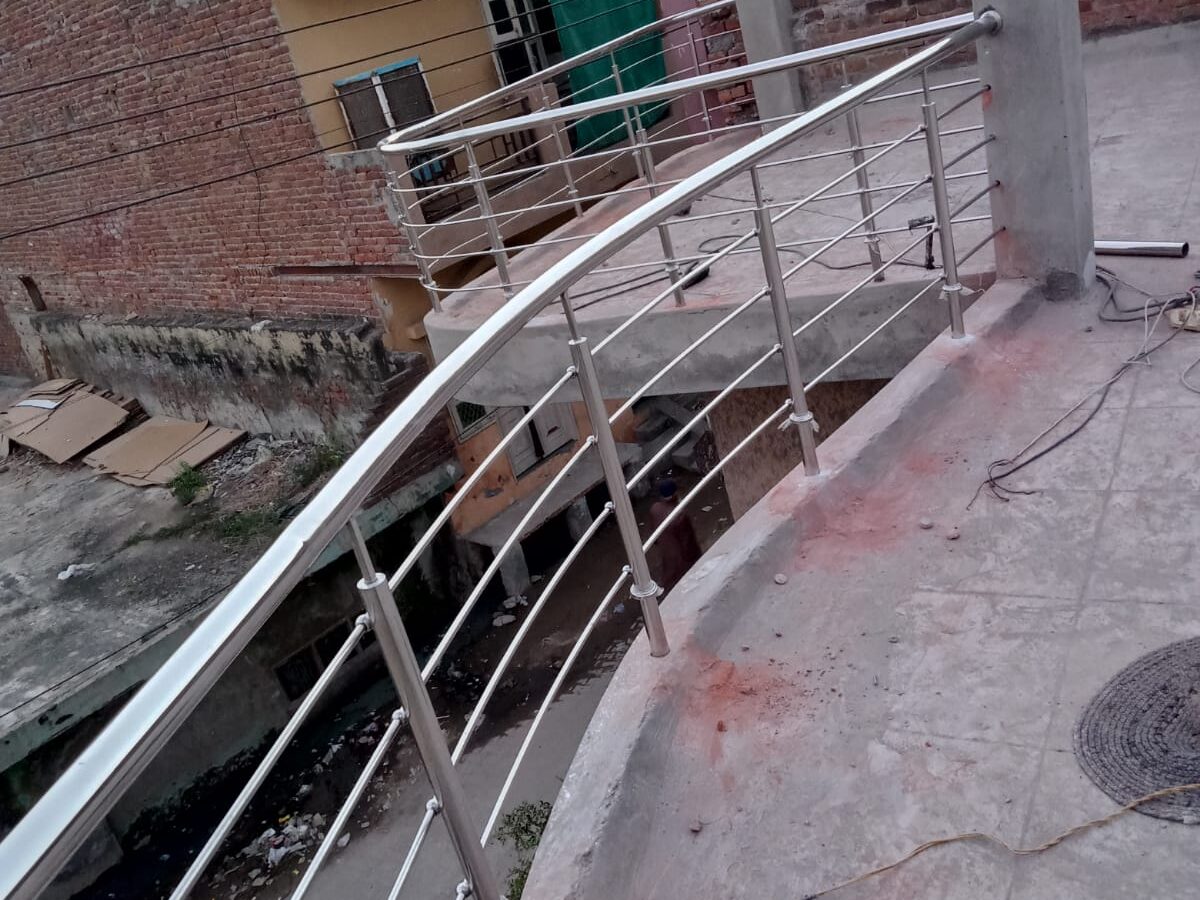
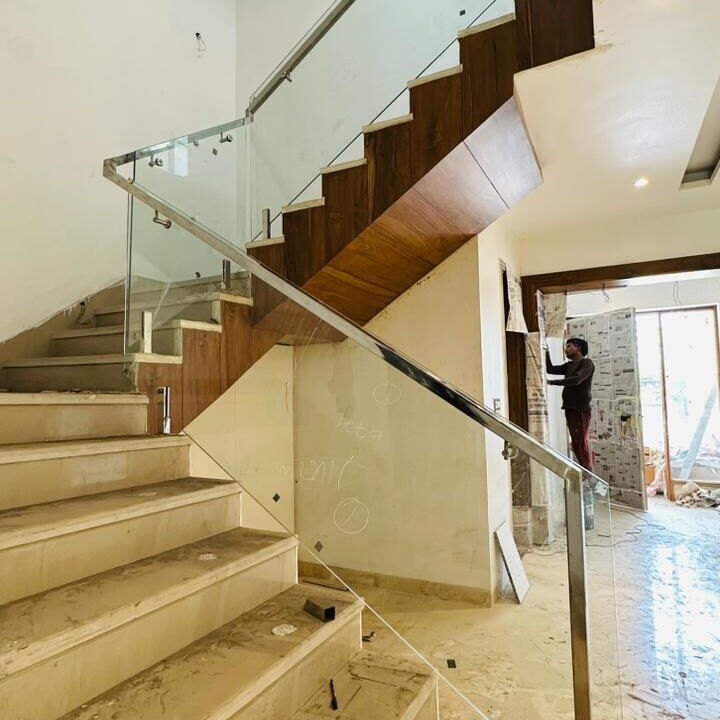
One of the most visible impacts of metal fabrication is proved in the construction and development of infrastructure. Skyscrapers, bridges, and highways are all products of precision metal fabrication. The ability to create durable and structurally sound components has enabled architects and engineers to push the boundaries of design, resulting in iconic structures that define the skylines of cities worldwide.
Industrial Development Due To Metal Fabrication Works
The backbone of various industries is metal fabrication, which are mainly automotive, aerospace, energy, and manufacturing
Here are some of these sectors –
- Automotive Sector: – In the automotive sector, for instance, the fabrication of components such as chassis, engine parts, and body panels relies heavily on advanced metalworking techniques. Metal fabrication is fundamental to the production of vehicles. It involves the manufacturing of chassis, frames, body panels, and other structural components using processes like stamping, welding, and machining.
- Aerospace Sector: – the aerospace industry depends on metal fabrication for lightweight yet durable components crucial for aircraft performance and safety. metal fabrication is integral to the production of aircraft and spacecraft components. Aluminum, titanium, and other alloys are commonly used for their strength-to-weight ratios. Complex and lightweight structures, such as aircraft wings and fuselages, are fabricated using advanced techniques like CNC machining and precision welding.
- Food and Beverage Sector: – Metal fabrication is adapted in the food and beverage industry for the production of processing equipment, storage tanks, and conveyance systems. Stainless steel is a common choice due to its corrosion resistance and ease of cleaning, ensuring hygienic conditions in food processing.
- Oil and Gas Sector: – The oil and gas industry relies heavily on metal fabrication for the manufacturing of pipelines, pressure vessels, and drilling equipment. Corrosion-resistant alloys and high-strength steels are commonly used in the fabrication of equipment for offshore drilling and refining processes.
- Military and Defense Sector: – Metal fabrication is essential for the defense industry, contributing to the manufacturing of military vehicles, weapons, and equipment. Armored vehicles, aircraft components, and specialized equipment are fabricated using advanced metalworking techniques to meet stringent performance and durability requirements.
- Energy Sector: – Metal fabrication is crucial in the energy sector for the production of components used in power generation and distribution. In the production of renewable energy sources like wind turbines and solar panels, metal fabrication is employed to create sturdy support structures and housing for the equipment.
- Construction and Infrastructure Sector: – Metal fabrication is a cornerstone of construction, contributing to the development of buildings, bridges, and other infrastructure projects. Structural steel fabrication is widely employed for constructing high-rise buildings, bridges, and industrial facilities. Metal fabrication ensures the strength and stability of these structures.
- Electronics and Technology Sector: – Metal fabrication plays a vital role in the electronics industry, contributing to the production of devices such as smartphones, computers, and medical equipment. Precision machining and sheet metal fabrication are employed to create the intricate components necessary for electronic devices.
- Medical Sector: – The medical industry relies on metal fabrication for the production of various equipment and devices, including surgical instruments, diagnostic machines, and medical implants. The precision and biocompatibility of certain metals make them suitable for applications in healthcare. Biocompatible materials like titanium and certain alloys are commonly employed to ensure that implants integrate well with the body and withstand physiological conditions.
Role of Metal Fabrication in Technological Advancements
In the field of technology, metal fabrication plays a pivotal role in the development of innovative devices and machinery. From smartphones to medical equipment, precision metal components are integral to the functionality and durability of these products.
The miniaturization of components, made possible by advanced fabrication techniques, has led to the creation of smaller and more powerful devices, transforming the way we live and work.
Economic Impact Due To Metal Fabrication Industry
The metal fabrication industry has a significant economic impact globally. It generates employment opportunities at various skill levels, from manual labor in fabrication shops to highly specialized roles in research and development. Additionally, the industry’s contribution to other sectors, such as construction and manufacturing, stimulates economic growth and development.
The Sustainable Development Due To Metal Fabrication
As society becomes increasingly conscious of environmental sustainability, the metal fabrication industry is adapting to meet these demands. Innovations in materials and processes aim to reduce waste, energy consumption, and environmental impact. Sustainable practices, such as recycling and efficient use of resources, are becoming integral to modern metal fabrication, aligning with global efforts to create a more eco-friendly future.
Customizability and Versatility
Metal fabrication offers a high degree of customization, allowing for the creation of tailor-made solutions for diverse applications. This versatility is particularly valuable in industries with unique requirements, such as custom machinery or specialized components. The ability to adapt and customize metal products according to specific needs contributes to the efficiency and effectiveness of various sectors.
Conclusion:
In summary, the significance of metal fabrication work in the modern world is multifaceted and far-reaching. From shaping our urban landscapes to driving technological innovation, metal fabrication is an essential element in the progress of society. As technology continues to advance, the role of metal fabrication will likely expand, further influencing how we build, create, and envision the future. As we move forward, a deeper understanding and appreciation of the art and science of metal fabrication will be crucial in navigating the challenges and opportunities of the ever-evolving modern world.

About The Author
Abhinav Menon is a wordsmith for whom writing is more than a mere passion or a profession, but his only means of expression is because he believes written words have more power of expression and a deeper impact on a person’s heart. He always wants to be informative and correct on a factual basis. Hope you will enjoy reading his work.